
The Cost of "Paper Heavy" Operations
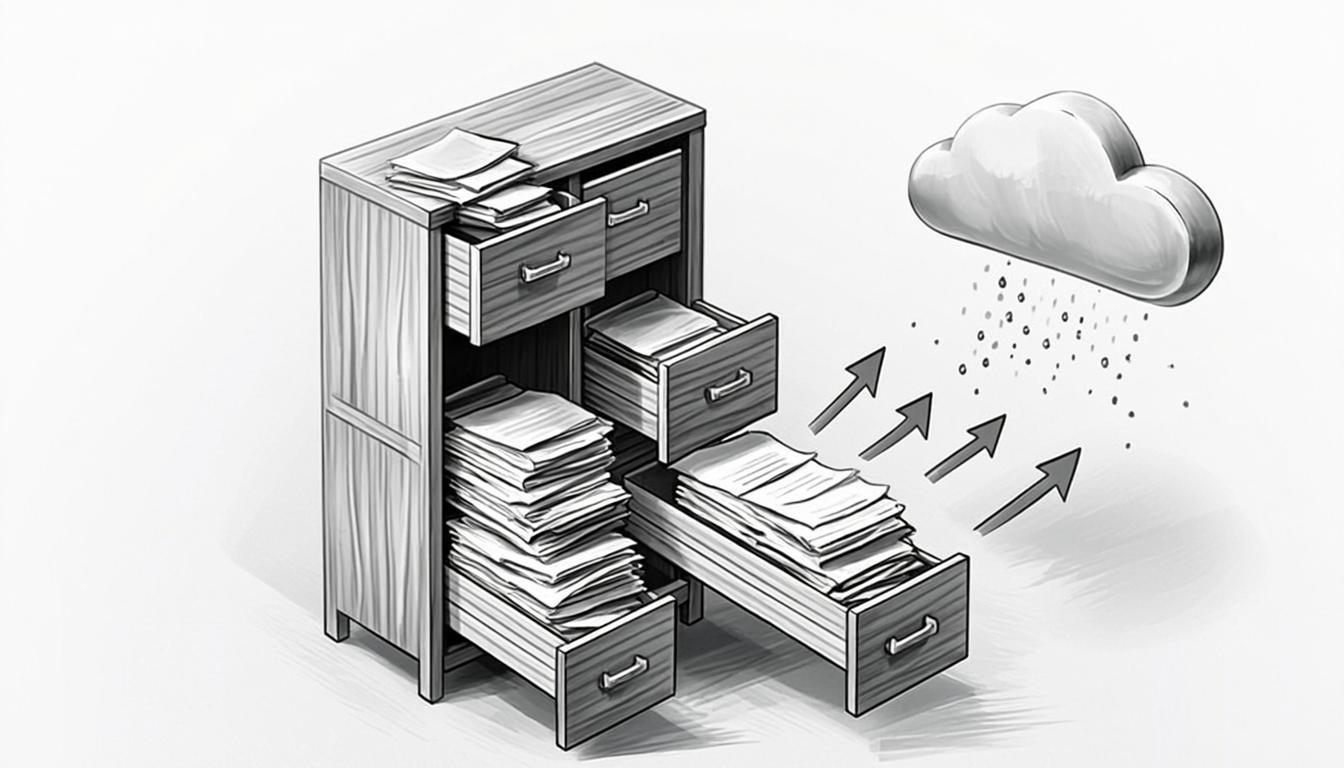
Walk through many Namibian small and medium enterprises, and you'll see a familiar scene: filing cabinets filled with paper, spreadsheets tracking inventory, staff manually entering data between systems, and customer inquiries handled through phone calls that leave no documentation trail.
These manual processes carry hidden costs that compound as businesses grow:
Time Inefficiency: Staff spend hours searching for documents, re-entering data, and chasing information across systems. In an eight-hour workday, studies show office workers spend up to 20% of their time searching for information. For a ten-person team, that's equivalent to two full-time salaries lost to inefficiency.
Error Accumulation: Every manual data entry introduces risk of error. A mistyped customer email means lost communication. A wrong inventory figure means stockouts or over-ordering. These errors cascade through operations, creating customer frustration and financial losses.
Decision Blindness: Without consolidated, accessible data, business decisions become guesswork. Which products are most profitable? Which customers require the most support? Which marketing channels drive real results? Manual record-keeping makes these questions difficult to answer with confidence.
Scalability Ceiling: Manual processes don't scale gracefully. Doubling business volume doesn't just require double the effort—it often requires triple due to increased coordination complexity. Growth becomes painful rather than exciting.
Customer Expectations: Modern customers expect rapid, informed service. When your team needs to "find that file" or "call back after checking records," customer satisfaction suffers.
Phase One: Digitization (1-3 Months)
The first phase focuses on converting existing physical records and processes into digital formats. This isn't about transforming how you work—it's about making your current work more accessible.
Document Scanning and Organization
Start with a systematic approach to converting paper records:
Prioritize by Frequency: Begin with documents accessed most frequently. Customer records, current project files, and active contracts provide immediate value when digitized.
Establish Naming Conventions: Create consistent file naming that makes documents searchable. Include date, document type, and relevant identifiers (customer name, project number).
Implement Document Management: Move beyond simple folder structures to proper document management systems. These provide version control, access permissions, and search capabilities.
Investment Range: N$15,000-50,000 for equipment, software, and potentially temporary staff for large backlogs.
Email and Communication Migration
Many Namibian businesses still rely heavily on phone calls and physical meetings for communication that could be documented electronically:
Professional Email Systems: Move from personal email addresses to professional business email (yourname@yourbusiness.com). This builds credibility and ensures business continuity when staff change.
Communication Protocols: Establish standards for documenting decisions and agreements via email rather than relying solely on verbal commitments.
Shared Calendars: Implement shared scheduling to reduce coordination overhead and prevent double-booking.
Basic Digital Tools
Implement foundational productivity tools:
Cloud Storage: Services like Google Drive or Microsoft OneDrive provide accessible file storage with sharing capabilities and mobile access.
Collaboration Suites: Google Workspace or Microsoft 365 offer document creation, spreadsheets, and presentation tools with real-time collaboration features.
Password Management: Secure password managers reduce security risks from weak passwords while eliminating the frustration of forgotten credentials.
Phase Two: Process Automation (3-6 Months)
With documents digitized and basic tools in place, phase two implements systems that reduce manual repetition and connect previously siloed processes.
Customer Relationship Management (CRM)
A CRM system becomes the central nervous system for customer interactions:
Contact Management: All customer information in one accessible location—contact details, communication history, purchase records, notes.
Interaction Tracking: Every email, call, meeting, and touchpoint logged and searchable. When a customer calls, you immediately see their history.
Pipeline Visibility: For businesses with sales processes, CRMs provide visibility into where prospects are in their journey and what actions are needed.
Automation: Follow-up reminders, task creation, and notification systems ensure nothing falls through the cracks.
Investment Consideration: CRM options range from free tiers for small teams to enterprise solutions for larger organizations. The key is selecting a system that matches your current needs while allowing growth.
Accounting Software
Move beyond spreadsheets to proper financial systems:
Automated Invoicing: Generate and send invoices automatically, with tracking for payment status.
Expense Management: Capture and categorize expenses efficiently, with receipt attachment and approval workflows.
Financial Reporting: Generate profit and loss statements, balance sheets, and cash flow reports without manual compilation.
Integration: Modern accounting systems connect with banking platforms, reducing manual data entry for transactions.
Process Integration
The real power emerges when systems connect:
Data Flow: Customer information from your CRM flows to invoicing in your accounting system. Payment status updates back to customer records.
Reduced Duplication: Enter information once rather than across multiple systems. This reduces errors and saves time.
Workflow Automation: Trigger actions based on events—a new customer in the CRM automatically creates an onboarding checklist; a paid invoice triggers a thank-you email.
Investment Range: N$50,000-150,000 depending on system complexity, integration requirements, and training needs.
Phase Three: Business Intelligence (6-12 Months)
With accumulated digital data, phase three leverages this information for strategic decision-making.
Dashboard Implementation
Transform raw data into actionable insights:
Key Performance Indicators: Define metrics that matter for your business—revenue, customer acquisition cost, average transaction value, customer lifetime value.
Real-Time Visibility: Dashboard systems show current performance, enabling rapid response to changing conditions.
Historical Trends: Visual representation of performance over time reveals patterns and seasonality.
Predictive Analytics
Use historical data to anticipate future needs:
Demand Forecasting: Predict inventory requirements based on historical patterns, seasonal trends, and market indicators.
Customer Behavior: Identify which customers are likely to expand, which might churn, and what actions could influence outcomes.
Resource Planning: Anticipate staffing needs, cash flow requirements, and capacity constraints.
Automated Decision Support
AI-assisted recommendations enhance human decision-making:
Pricing Optimization: Dynamic pricing recommendations based on demand, competition, and margin targets.
Inventory Optimization: Reorder suggestions based on velocity, lead times, and demand forecasts.
Marketing Targeting: Customer segmentation and campaign recommendations based on behavior patterns.
Implementation Reality: What We've Learned
Helping Namibian businesses through digital transformation has taught us important lessons:
Start Small, Prove Value: Don't attempt to transform everything at once. Begin with one high-impact area, demonstrate success, then expand.
Change Management Matters: Technology is the easy part. Helping people adapt to new ways of working requires patience, training, and leadership commitment.
Local Support Is Essential: International software vendors may not understand Namibian business practices, regulations, or infrastructure. Choose partners who can provide local, contextual support.
Integration Over Replacement: Sometimes the best approach isn't replacing existing systems but connecting them more effectively.
Ongoing Evolution: Digital transformation isn't a project with an endpoint—it's an ongoing capability that requires continuous attention and improvement.
ROI Expectations
Digital transformation investment typically achieves return within 12-18 months through:
- Reduced operational costs (15-30% efficiency improvement)
- Improved customer retention (better service, faster response)
- Increased revenue (better lead management, improved conversion)
- Reduced errors and associated costs
- Improved decision-making quality
These returns compound over time as digital capabilities mature and integrate.
Starting Your Transformation
Every business's transformation journey is unique. The roadmap above provides a framework, but successful implementation requires understanding your specific context:
- Current state assessment
- Business priorities and constraints
- Staff capabilities and change readiness
- Integration requirements
- Budget and timeline considerations
Ready to begin your transformation journey? Let's discuss where you are today and where you want to go.